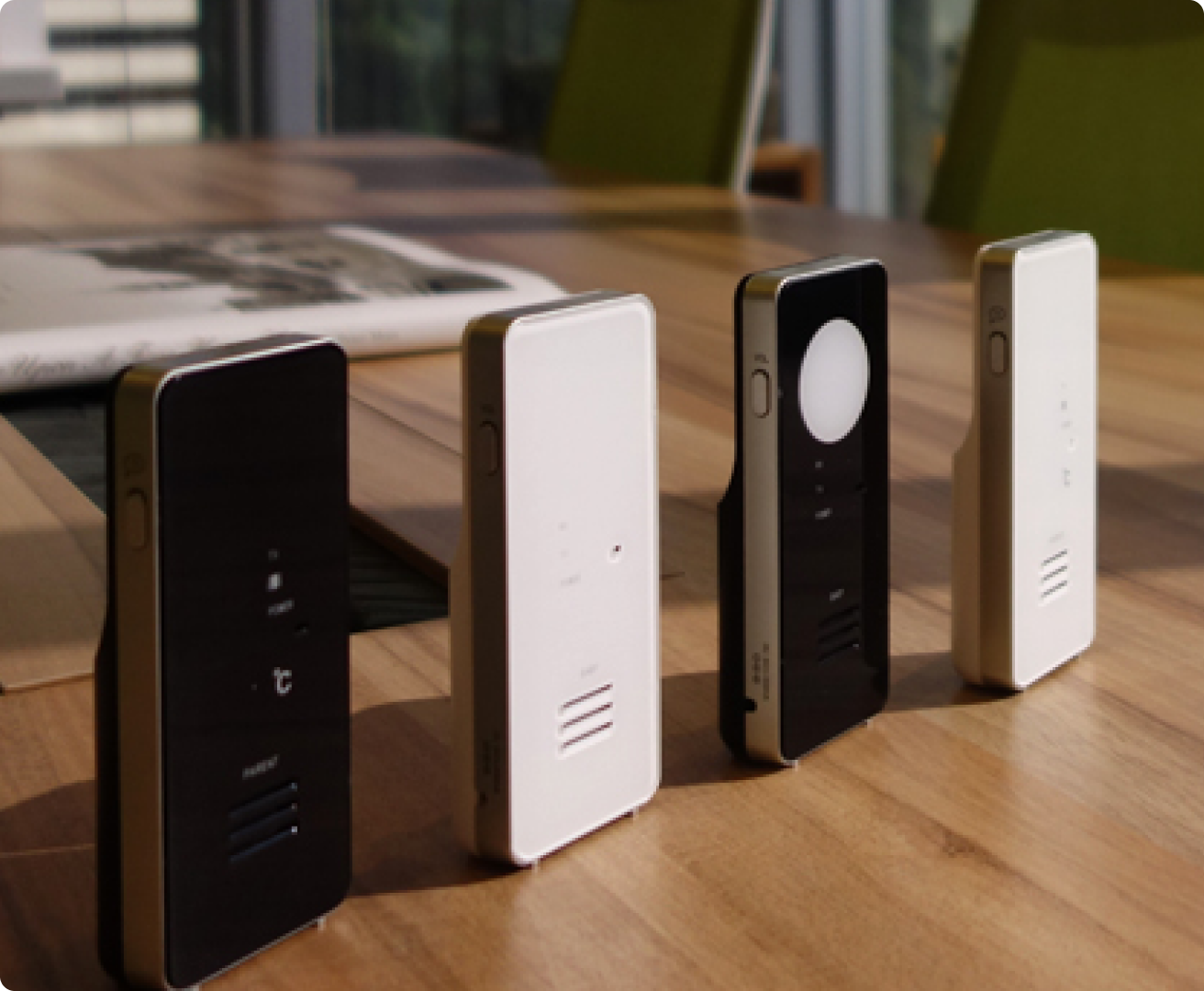
IoT Engineering & Product Design Services for US Businesses

IoT Engineering & Product Design Services for US Businesses

Skip to product information
1 of 1

IoT Engineering & Product Design Services for US Businesses

IoT Engineering & Product Design Services for US Businesses
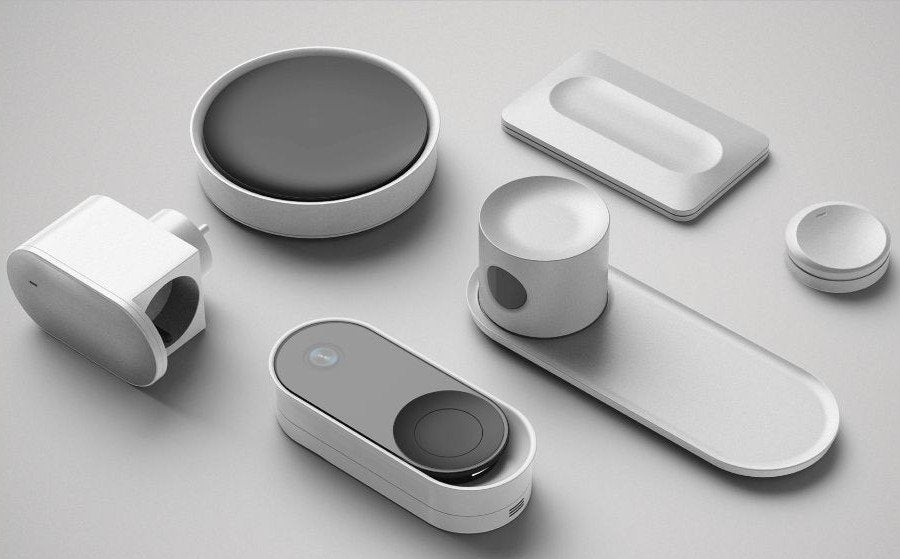
Techwall Electronics offers expert IoT engineering and product design services, transforming innovative ideas into reliable, scalable IoT devices. Our team specializes in precision engineering, embedded systems, IoT hardware development, firmware integration, advanced prototyping, DFM optimization, and production-ready design to deliver custom IoT solutions tailored to your business needs. We focus on quality, efficiency, and manufacturability to ensure your connected products perform flawlessly and stand out in the modern Internet of Things landscape.
With decades of experience in computer engineering and computer science, our engineers design systems that move data from the physical world into intelligent platforms where it can be processed, analyzed, and used to guide real-world decisions. Every product we build is designed around data flow, energy management, security, and long-term scalability inside a growing IoT ecosystem.

Product Specification

  • Consumer electronics
  • IoT devices
  • Smart cameras
  • Surveillance device
  • Low power device
  • UHF wireless product
  • Cellular telemetry device
  • Industrial products
  • Specialized applications
  • Distributed sensors
  • Low power devices
  • ATEX products
View full details

Product Specification

  • Consumer electronics
  • IoT devices
  • Smart cameras
  • Surveillance device
  • Low power device
  • UHF wireless product
  • Cellular telemetry device
  • Industrial products
  • Specialized applications
  • Distributed sensors
  • Low power devices
  • ATEX products

Awards and Certifications

award

Business Social Compliance Initiative (BSCI)

award

ISO 9001: Quality Management Systems (QMS)

award

iF International Design Award

award

Kind + Jugend Innovation Awards

award

ATEX, IECEx Explosive Products Certification

award

EU CE Declaration of Conformity

award

Federal Communications Commission FCC Certification

award

Bluetooth Low Energy

Awards and Certifications

award

Business Social Compliance Initiative (BSCI)

award

ISO 9001: Quality Management Systems (QMS)

award

iF International Design Award

award

Kind + Jugend Innovation Awards

award

ATEX, IECEx Explosive Products Certification

award

EU CE Declaration of Conformity

award

Federal Communications Commission FCC Certification

award

Bluetooth Low Energy

Icon

History

Since its inception in 1991, Techwall Electronics has steadfastly maintained its focus on wireless product research and development. This single-mindedness has translated into profitable growth for the company. Today, Techwall Electronics works closely with its marketers and distributors to identify trends, design, develop and manufacture high-end, quality and innovative wireless products, from two-way radios and baby monitors to digital wireless door phones, for the discerning consumers in targeted markets worldwide.


image
Icon

Organization

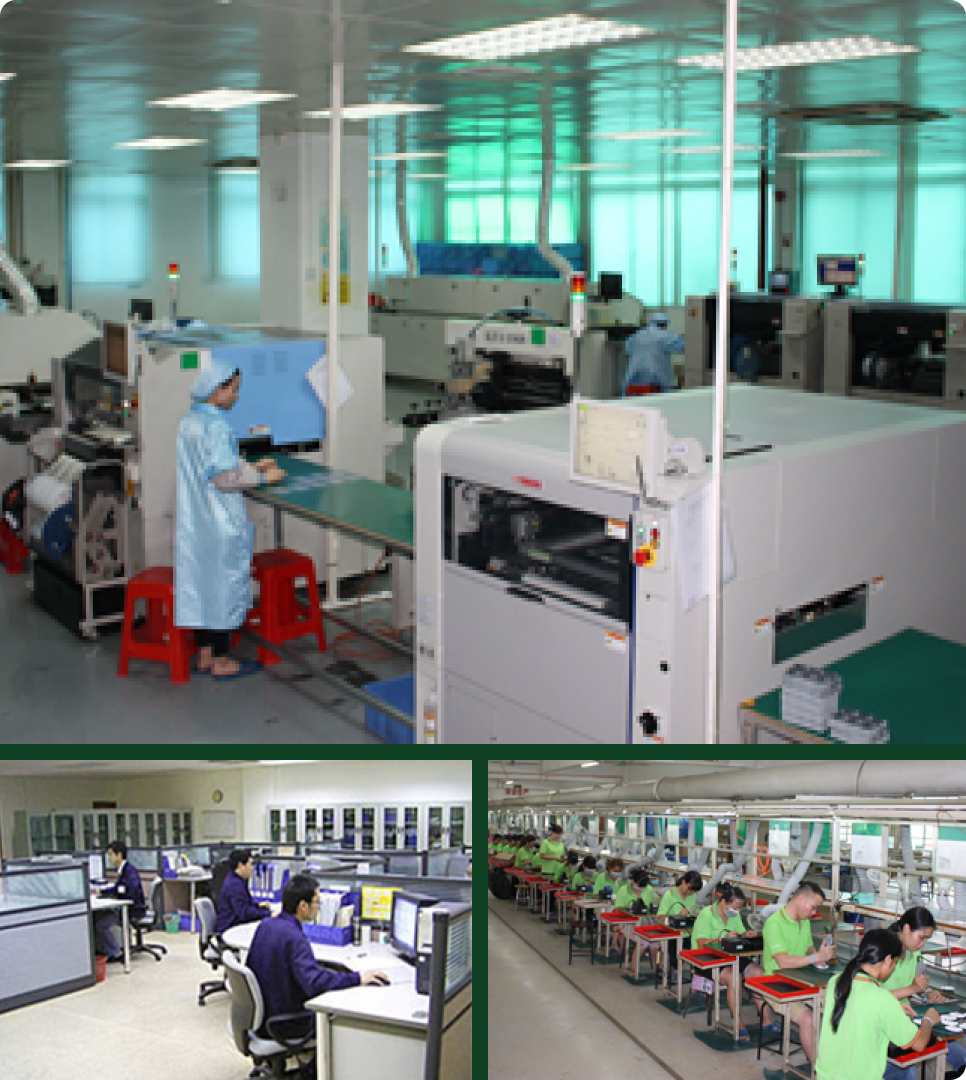
Our center of research and production is housed in a state-of-the-art manufacturing facility in southern China where an experienced team of 30 talented engineers works closely with over 300 highly-trained manufacturing staff. The headquarters in Hong Kong serves as a convenient sales and marketing office location.

Awards and Certifications

award

Business Social Compliance Initiative (BSCI)

award

ISO 9001: Quality Management Systems (QMS)

award

iF International Design Award

award

Kind + Jugend Innovation Awards

award

ATEX, IECEx Explosive Products Certification

award

EU CE Declaration of Conformity

award

Federal Communications Commission FCC Certification

award

Bluetooth Low Energy

Awards and Certifications

award

Business Social Compliance Initiative (BSCI)

award

ISO 9001: Quality Management Systems (QMS)

award

iF International Design Award

award

Kind + Jugend Innovation Awards

award

ATEX, IECEx Explosive Products Certification

award

EU CE Declaration of Conformity

award

Federal Communications Commission FCC Certification

award

Bluetooth Low Energy

image
image
Icon

Our Vision

Our vision is to establish Techwall Electronics as an industry leader in wireless product innovation and development in the international arena and as the employer of choice on the home front.
image
image
image
Icon

Our Mission

  • Encourage and recognize pioneering ideas
  • Design innovative consumer and industrial products
  • Attract and develop talented engineers
  • Provide critical production staff with proper training
  • Promote open communications among management, engineers and production staff
  • Provide a professional, healthy, safe and rewarding working environment
  • Adhere to stringent quality control
  • Deliver on-time shipment
  • Build mutually rewarding long-term customer relationships

image

Certificates

Custom wireless product design and development

We are much more than a manufacturer of wireless products. Our lines of sophisticated innovative wireless produc...

Read more

Commitment to wireless innovation

At Techwall Electronics, we are constantly looking for new ways to improve an existing product. We talk to consu...

Read more

Commitment to quality control

To ensure that each and every of our products meets the quality excellence test, we have developed and implement...


Read more
Image

Commitment to long-term customer relationship

At Techwall Electronics, we take pride in building successful partnerships with our customers. We understand that our continuing growth depends on our customers’ success in marketing and distributing our quality innovative wire...

Read more

History of Innovation

Since its inception in 1991, Techwall Electronics has steadfastly focused on wireless product research and development, IoT devices, and networked systems. This dedication has driven profitable growth while keeping the company at the forefront of digital transformation.

Today, Techwall Electronics collaborates closely with marketers and distributors to identify trends, design and manufacture high-end, energy-efficient, and innovative IoT systems, from two-way radios and baby monitors to digital wireless door phones. These products cater to discerning consumers, as well as industrial applications worldwide.

By leveraging IoT software, hardware design, and embedded systems, we ensure every IoT project benefits from seamless integration, process data optimization, and predictive maintenance, enhancing the operational efficiency of connected devices across industries.

Building Reliable IoT Systems from Hardware to Cloud

Strong IoT systems depend on the tight coordination of hardware components, embedded devices, and IoT software. At Techwall Electronics, each IoT project is built using structured software development, modern programming languages, and proven communication protocols that allow networked devices to exchange data securely and continuously.

Our teams work closely to connect integrated sensors, embedded systems, and IoT platforms so that every connected device contributes useful information into a single intelligent network. Whether the goal is remote monitoring, real-time monitoring, or automated control, the IoT infrastructure is designed for dependable data flow across all systems.

By aligning IoT solutions with real business objectives, companies gain the ability to monitor performance, control energy consumption, improve safety, and prevent downtime across operations.

Turning IoT Data into Business Intelligence

Every IoT device generates streams of IoT data. The real value comes from how that data is used. Our engineers design platforms that process data, analyze data, and convert information into actionable insight through data analytics, machine learning, and cloud-based IoT software.

From smart city projects to fleet management, connected vehicles, and smart grids, accurate data flow allows organizations to improve operational efficiency, reduce waste, and increase asset performance. Data scientists and software engineers collaborate to ensure information is captured, stored, and interpreted in ways that directly support business growth.

This ability to connect the physical world with intelligent digital systems is what makes the Internet of Things (IoT) one of the most powerful forces in modern digital transformation.

Embedded Systems and Hardware Design

Every successful IoT ecosystem starts with a strong hardware design. Our hardware engineers develop embedded devices and low-power systems that operate efficiently even in demanding environments. These embedded systems integrate sensors, wireless modules, and processing units that collect data from other devices and send it through secure IoT networks.

By focusing on energy management and energy consumption, we design products that support long-term deployment in industrial products, smart home appliances, and critical infrastructure. This hardware foundation ensures that IoT applications can operate continuously without sacrificing performance or reliability.

Secure IoT Infrastructure and Network Design

As connected devices grow, protecting them from cyber threats and security breaches becomes essential. Our engineers design IoT infrastructure with security built into every layer, from device firmware to cloud-based IoT platforms.

Secure communication protocols, encrypted data exchange, and controlled access ensure that IoT networks can safely handle sensitive information across smart cities, connected vehicles, and critical infrastructure systems. This allows organizations to scale their IoT systems without putting their data or operations at risk.

Software, Platforms, and Application Development

Modern IoT solutions rely heavily on software development. Our software developers build IoT software, mobile apps, and web applications that allow users to view device data, control operations, and receive alerts through real-time monitoring.

These applications help companies manage IoT projects, improve predictive maintenance, and oversee distributed networked devices from a single interface. By combining information systems with intuitive software, businesses gain a complete picture of how their IoT devices are performing.

IoT Applications Across Industries

Our IoT technologies power solutions across a wide range of sectors, including manufacturing, energy, logistics, healthcare, and urban development. Smart cities use IoT systems to manage traffic, lighting, and energy management. Fleet management solutions use connected vehicles to improve safety and routing. Industrial clients rely on embedded devices for predictive maintenance and performance tracking.

This interconnected nature of devices allows businesses to improve workflows, reduce downtime, and make better decisions using real-time data.

Career Path in IoT Engineering

The growing job market for IoT engineering offers strong career opportunities across multiple disciplines. Software engineers, hardware engineers, data scientists, and IoT professionals all play a key role in building and managing IoT systems.

A typical career path in the Internet of Things involves learning programming languages, embedded systems, computer science, and computer engineering, along with hands-on experience in IoT platforms and data analytics. These technical skills prepare professionals to work on smart devices, IoT networks, and large-scale IoT infrastructure projects.

Universities and training programs now prepare students to enter this fast-growing field with the theoretical foundations and practical knowledge needed to succeed.

IoT Engineering in Real Business Environments

Modern IoT engineering is not built in isolation. Every deployment must function in real environments where connected devices operate under weather, power limits, physical movement, and unpredictable user behavior. Our teams design IoT systems that maintain stable data flow even when thousands of networked devices exchange information across large IoT networks.

Whether managing smart city projects, connected vehicles, or distributed industrial assets, each IoT device must transmit IoT data reliably so software platforms can analyze data and respond in real time. This ability to connect the physical world with cloud-based information systems is what allows companies to monitor, automate, and optimize operations at scale.

Strong IoT infrastructure ensures that embedded devices, sensors, and communication protocols continue to function even when conditions change, which is essential for critical infrastructure and safety-focused environments.

Managing Data Flow Across IoT Platforms

Once IoT data is captured, it must move smoothly across multiple IoT systems. This requires stable IoT platforms, well-designed IoT software, and optimized communication protocols that ensure devices can exchange data without interruption.

Our software developers and software engineers build architectures that allow smart devices, mobile apps, and web applications to interact with IoT networks in real time. This ensures dashboards, alerts, and control systems always reflect what is happening on the ground.

With structured data flow and intelligent data analytics, businesses gain full visibility into operations, equipment health, and performance trends.

Energy Management and Operational Efficiency

One of the most powerful uses of the Internet of Things (IoT) technology is improving energy management. Smart grids, industrial sensors, and connected devices allow companies to track energy consumption and adjust usage based on real demand.

By analyzing IoT data, businesses can identify waste, prevent overloads, and schedule equipment usage more efficiently. These insights also support predictive maintenance, ensuring machines are serviced before they fail, which improves operational efficiency and reduces costly downtime.

This combination of real-time data and automated control is driving digital transformation across industries that rely on power-intensive operations.

Smart Cities and Connected Infrastructure

Smart cities depend on large-scale IoT infrastructure to manage transportation, utilities, public safety, and environmental systems. Networked devices embedded throughout the city collect IoT data that helps city managers make better decisions in real time.

Traffic systems, lighting, waste management, and emergency services all rely on IoT systems that exchange data continuously. These solutions improve response times, reduce energy use, and support safer urban environments.

Our experience with smart city projects, embedded devices, and IoT platforms ensures that cities can deploy technology that is scalable, secure, and aligned with long-term business objectives.

Securing the IoT Ecosystem

As the number of connected devices grows, so does the risk of cyber threats and security breaches. Every IoT system must be designed with layered security across devices, networks, and IoT software.

We build security into hardware components, embedded systems, and cloud services so that IoT professionals can protect sensitive IoT data across critical infrastructure. Secure authentication, encrypted data exchange, and controlled access help ensure that IoT networks remain reliable and protected.

The Role of IoT Professionals

Behind every successful IoT engineering deployment is a team of IoT professionals with diverse skills. Software engineers, software developers, hardware engineers, and data scientists all play a key role in building and maintaining the IoT ecosystem.

Their key responsibilities include designing embedded systems, developing IoT software, managing IoT platforms, and using data analytics to extract insights from IoT data. This combination of technical skills and system-level thinking is what makes the Internet of Things such a powerful business tool.

FAQs

What makes IoT engineering different from traditional engineering?

IoT engineering focuses on connecting physical devices to digital systems so they can collect, send, and process data. Unlike traditional engineering, it blends embedded systems, networking, and software into one connected environment.

How do IoT devices share data with other systems?

IoT devices use communication protocols to exchange data with gateways, cloud platforms, and other connected devices. This creates a continuous data flow that supports monitoring, automation, and analysis.

Are IoT systems secure?

Well-designed IoT systems use encryption, authentication, and network controls to protect against cyber threats and security breaches. Security must be built into both hardware and software layers.

What industries benefit most from IoT?

Manufacturing, energy, transportation, healthcare, and smart city projects all rely on IoT applications to improve efficiency, safety, and data visibility.

Is IoT a good long-term career?

Yes. With the growth of smart devices, connected vehicles, and digital infrastructure, the job market for IoT professionals continues to expand, offering strong career opportunities.

Get in Touch

Embark on a journey of innovation and impactful creation with us.
Contact us to schedule a meeting.

Contact Us